The Fon System
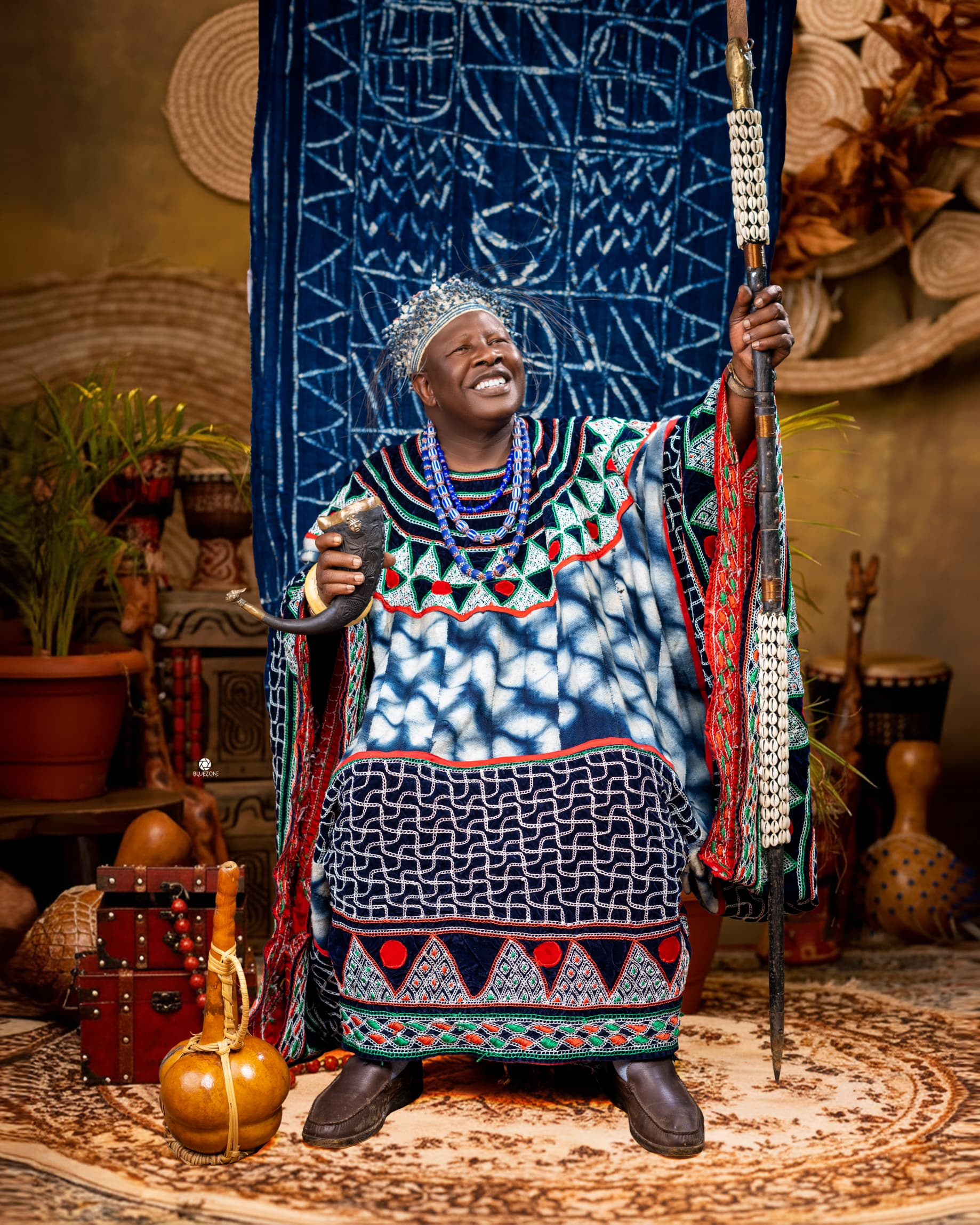
The Fon is the traditional ruler of a Ngemba village — a leader who is at once head of state, chief priest, custodian of ancestral wisdom, and symbolic father of the people. Surrounded by a council of notables (Kwifoyn or its equivalent), the Fon presides over festivals, dispenses traditional justice, and preserves the sacred objects of the community.
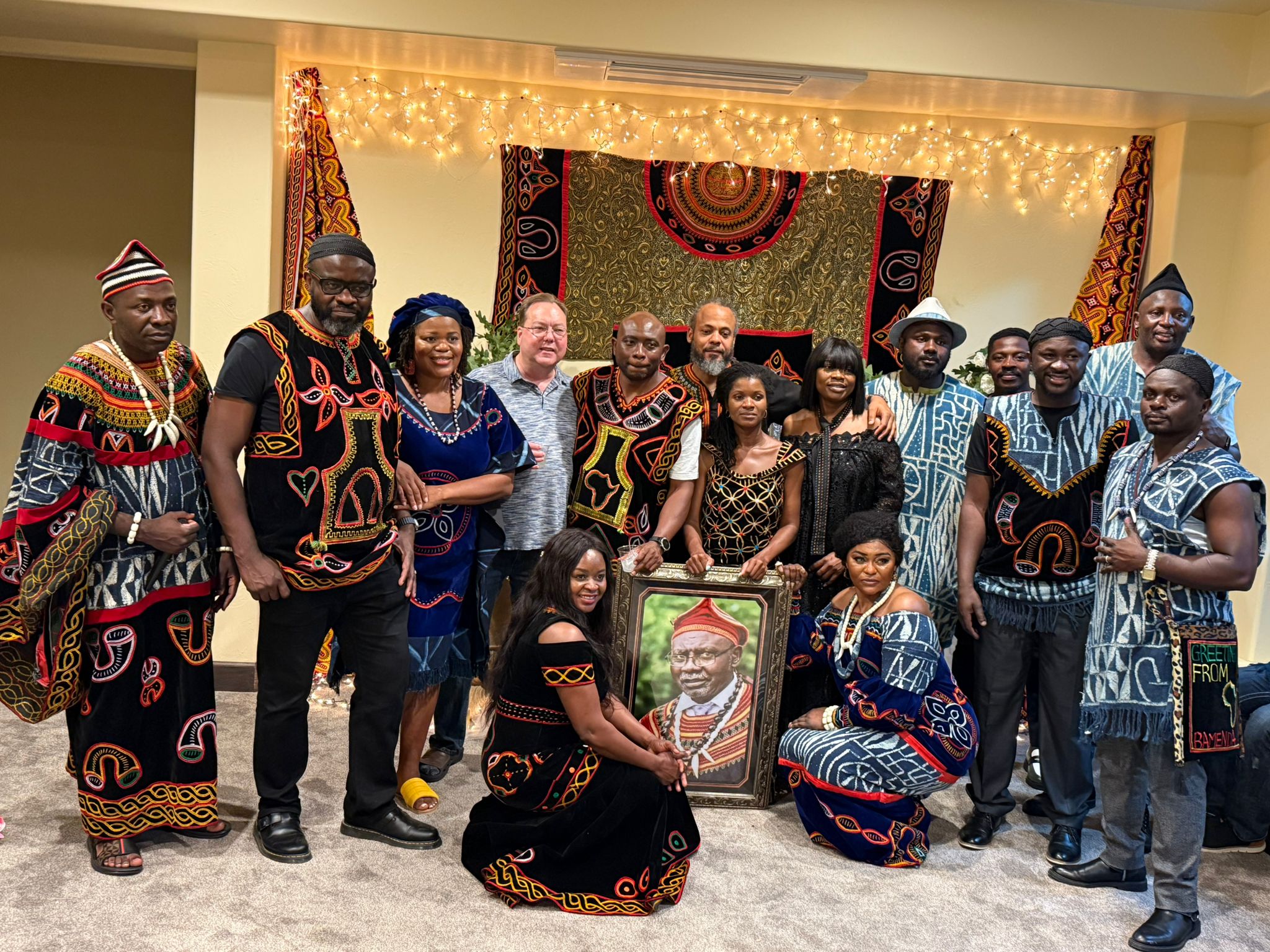
Even in diaspora, the spirit of the Fon system lives on in our respect for elders, our council-based decision-making, and the ceremonial gravity we bring to our cultural events.
Traditional Music and Dance
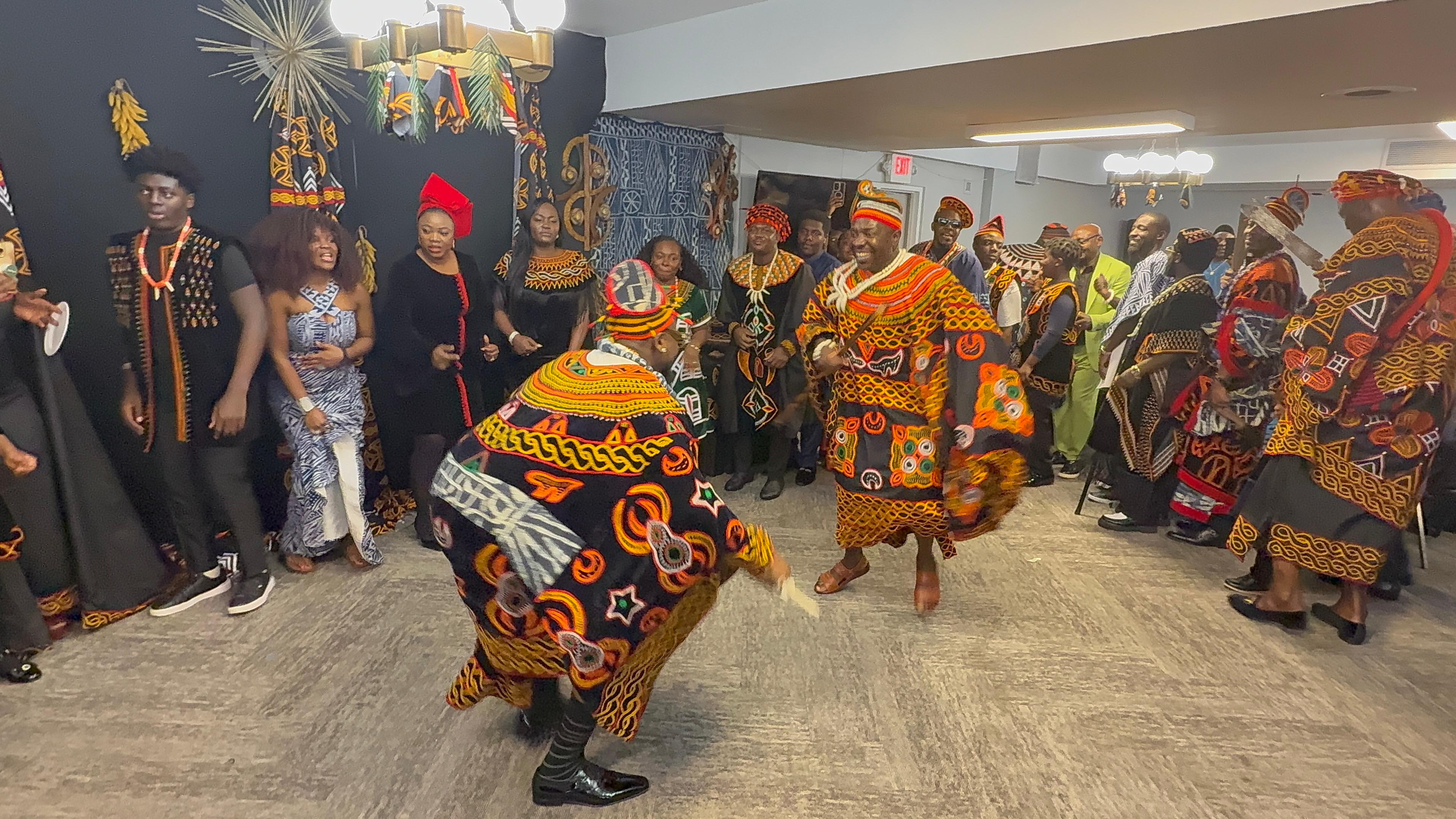
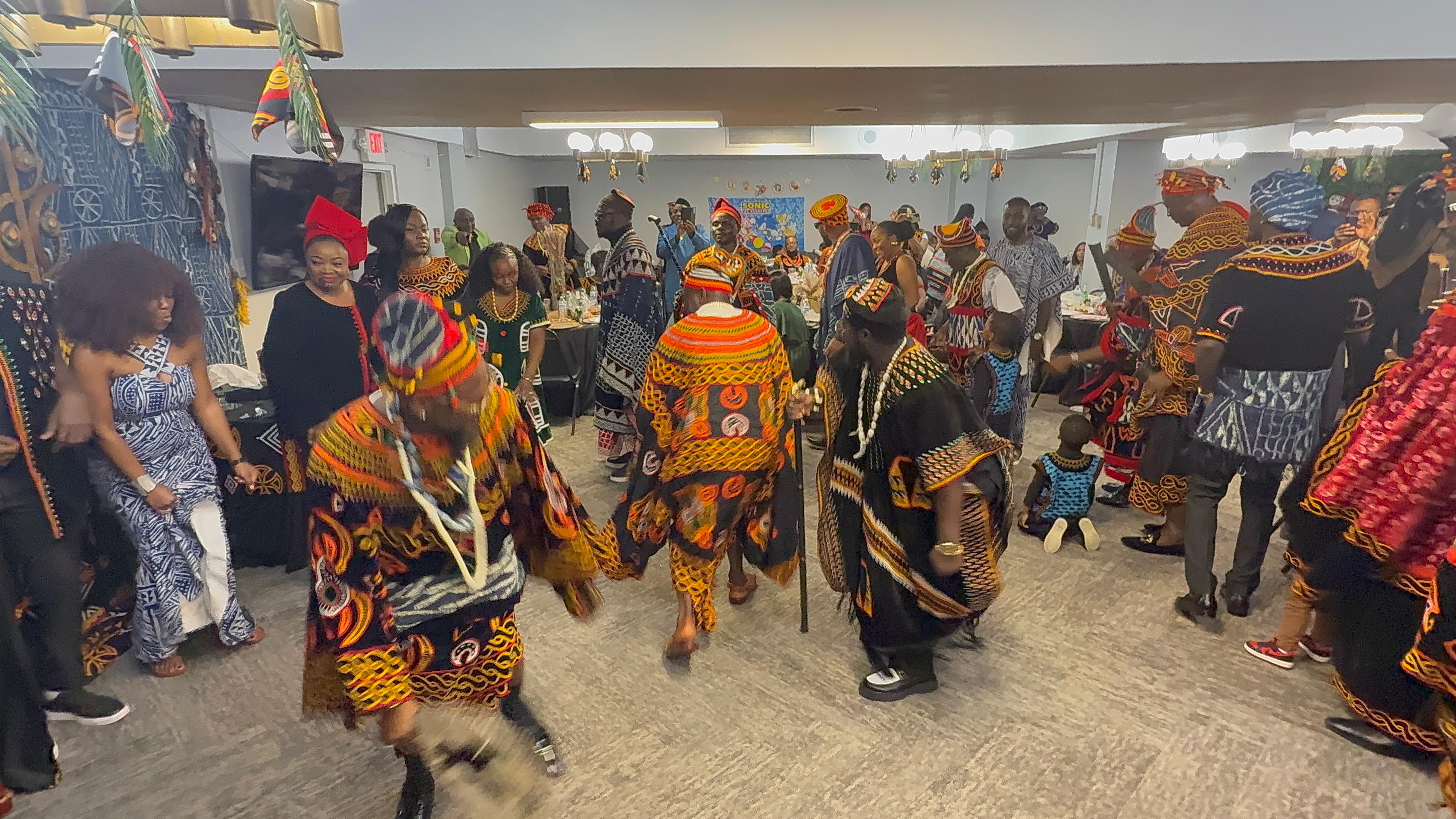
Music is the heartbeat of Ngemba life. The deep, resonant call of the djembe and traditional slit drums announces births, marriages, deaths, and royal ceremonies. Dancing is communal and intricate — every gesture is a sentence in a language older than the colonial maps.
At our gatherings you will hear the rhythms of the Fon dance, feel the cadence of call-and-response, and see the proud line of dancers in flowing robes.
Traditional Crafts
Ndop Cloth
The indigo-and-white ndop cloth — its geometric patterns stitched and dyed by hand — is one of the great textile traditions of the grasslands. Once reserved for royalty, it remains a powerful emblem of Ngemba identity.
Raffia Weaving
From bags and mats to the elegant raffia bag carried by men of standing, woven raffia is everywhere in our material culture.
Beadwork
The golden, red, and black beadwork seen on royal calabashes, stools, and headpieces is among the most recognizable art forms of the Cameroonian grasslands. Beadwork tells stories — of lineage, of office, of cosmology.
Blacksmithing
The blacksmith holds an honored place in Ngemba society, forging tools, weapons, and ceremonial objects from iron — a craft surrounded by ritual and respect.
Achu — Our Signature Dish
Achu is the queen of Ngemba cuisine: pounded cocoyam (and sometimes ripe banana) served with a fragrant, spiced yellow soup made from limestone-rich palm oil, red oil, and an aromatic blend of spices that varies by village and by family. Eaten with the right hand, shared from a common dish, Achu is more than food — it is a sacrament of togetherness.
Language
The Ngemba people speak a closely related family of Bantoid languages, often grouped as the Ngemba languages. Each village has its own dialect — Bafut, Mankon, Bambili, Awing, Pinyin, Mendankwe-Nkwen — and our elders move between them with the ease of those who have always known a multilingual world. English and Cameroonian Pidgin are our common tongues alongside.
Traditional Attire
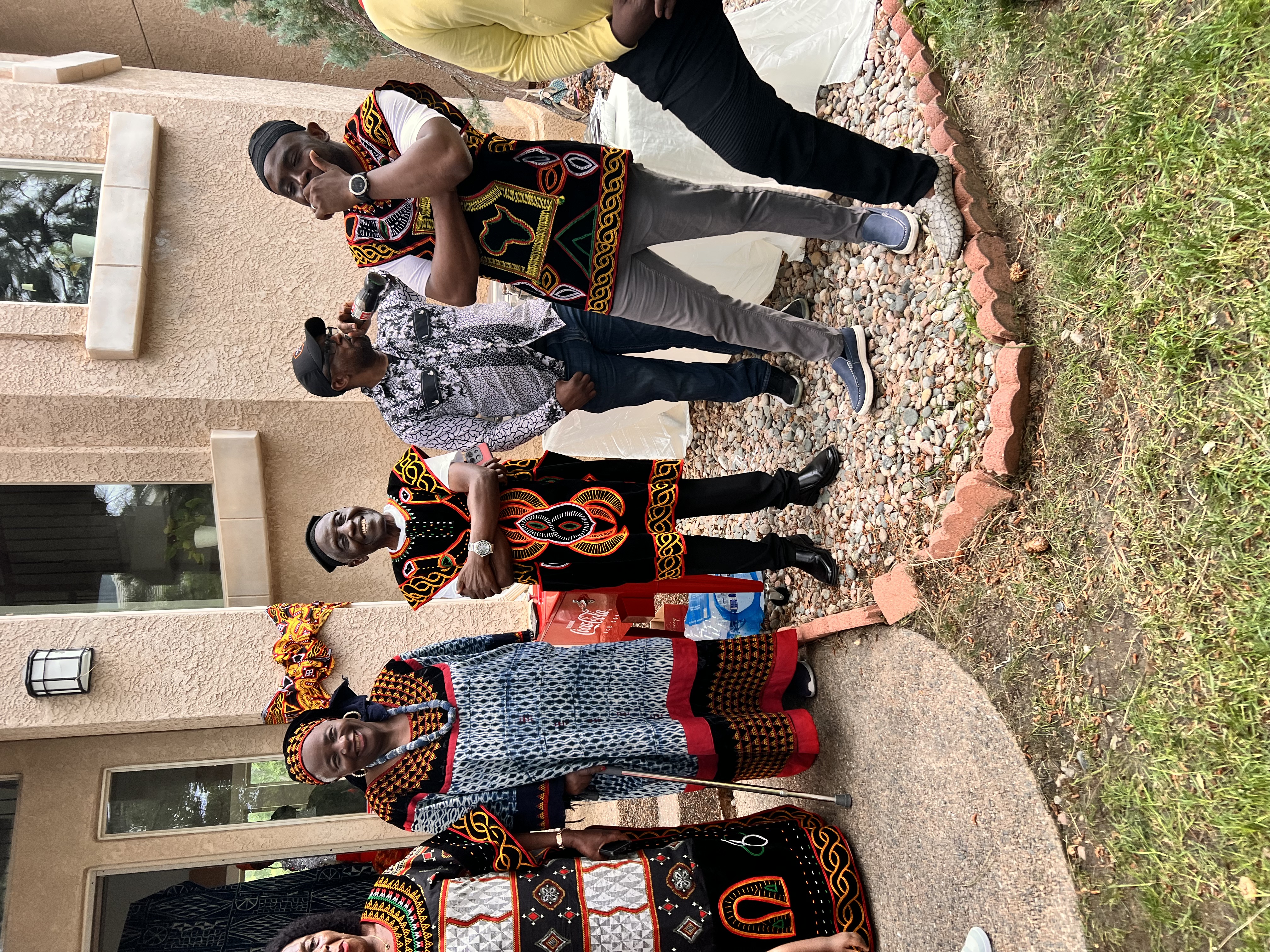
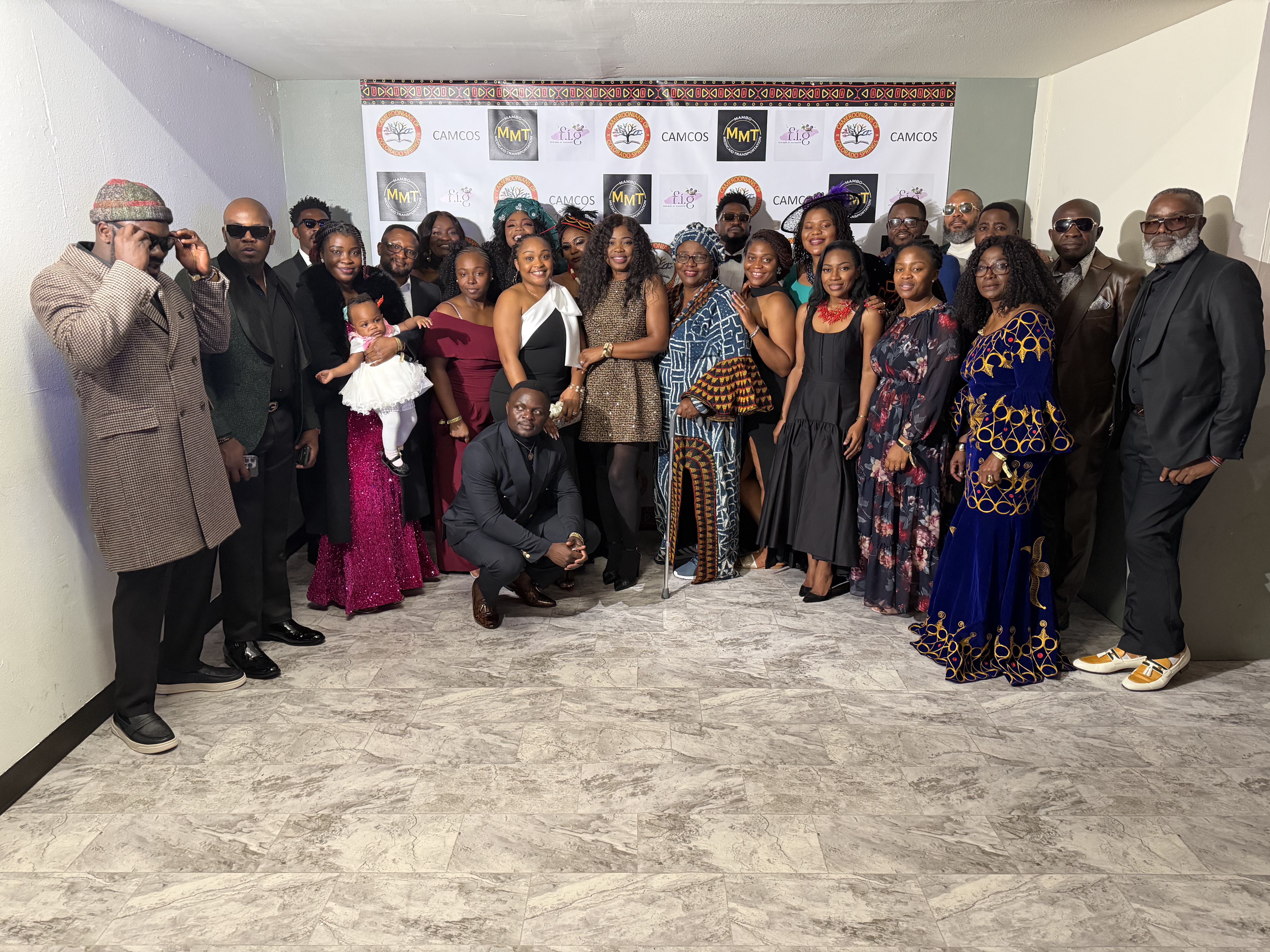
At every cultural celebration, NCACS members rise in our traditional attire — flowing, richly embroidered robes in deep reds, blacks, and royal blues; chiefly head-pieces beaded in gold; raffia bags slung at the shoulder. To dress well is to honor our ancestors and to teach our children where they come from.